
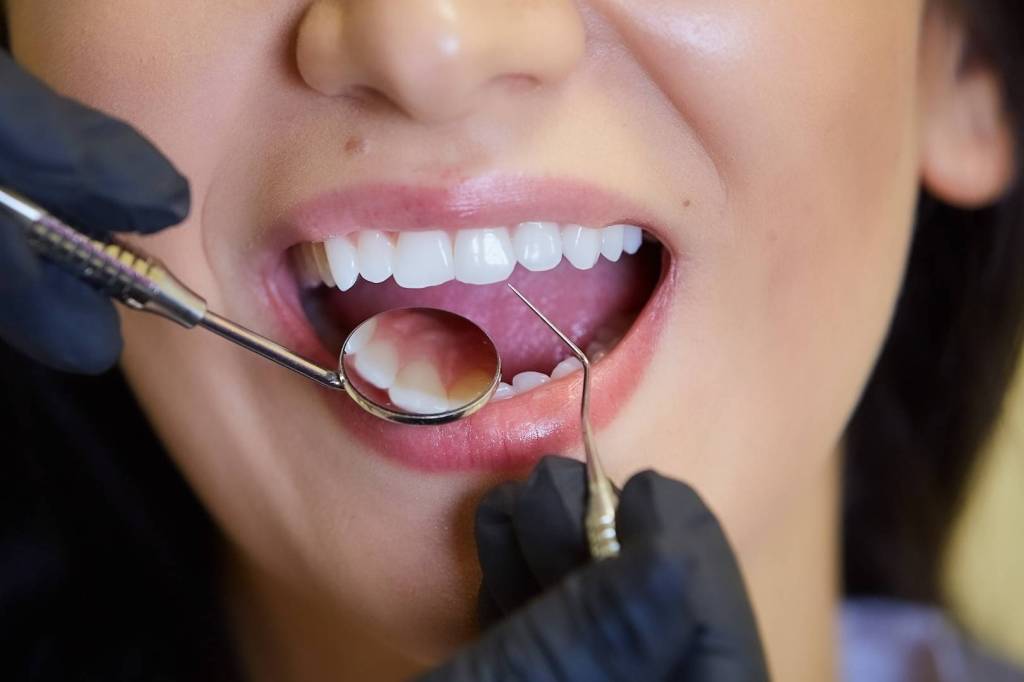
Maintaining good oral hygiene goes beyond just brushing and flossing every day. While these habits are essential, they can’t replace the professional care and early problem detection that regular dental check-ups provide. Unfortunately, many people tend to skip these appointments, often due to fear, cost, or the assumption that their teeth are fine. However, regular dental check-ups are critical for your oral and overall health. In this blog, we will explore why regular dental visits are so important and what you need to know to keep your smile healthy.
1. Early Detection of Dental Problems
One of the most significant benefits of regular dental check-ups is early detection of dental issues like cavities, gum disease, and oral cancer. Many dental problems don’t cause pain or visible symptoms in their early stages, meaning you could have an issue without even realizing it. By visiting the dentist regularly, potential problems can be caught early, preventing them from becoming more severe, expensive, or painful.
Key Points:
- Cavities can be detected before they become painful.
- Gum disease can be identified early, preventing tooth loss.
- Regular screenings for oral cancer can save lives.
2. Professional Cleaning for Better Oral Hygiene
Even with diligent brushing and flossing, plaque and tartar can build up in hard-to-reach areas of the mouth. During a professional cleaning, your dentist or hygienist uses specialized tools to remove plaque and tartar, especially in areas you can’t effectively clean at home. This process helps prevent cavities, gum disease, and bad breath.
Key Points:
- Prevents plaque buildup that leads to tooth decay.
- Reduces the risk of gum disease by removing tartar.
- Leaves your teeth feeling cleaner and looking brighter.
3. Prevention of Gum Disease
Gum disease (gingivitis and periodontitis) can progress without showing obvious symptoms, such as pain or bleeding. Regular dental check-ups allow for early detection of gum disease, and with proper cleaning and treatment, you can prevent it from advancing to the more severe stages, which can lead to tooth loss and even affect your overall health.
Key Points:
- Regular check-ups help prevent gum disease.
- Early treatment can prevent more serious problems, such as tooth loss.
- Your dentist can offer personalized advice on improving your oral hygiene routine.
4. Advice on Oral Health and Habits
Dentists provide more than just treatment; they offer personalized advice on how to improve and maintain your oral health. Whether you’re struggling with bad breath, sensitive teeth, or a misaligned bite, your dentist can help you understand the causes and recommend the best solutions.
Additionally, if you have habits like smoking, drinking a lot of sugary drinks, or grinding your teeth, a dentist can guide you on how to minimize damage and suggest strategies for quitting harmful habits.
Key Points:
- Get personalized advice to improve your oral care routine.
- Learn how habits like smoking or teeth grinding affect your teeth.
- Understand how lifestyle changes can improve your oral and overall health.
5. Oral Cancer Screening
Oral cancer can be life-threatening if not diagnosed early. Dentists perform routine screenings during check-ups to look for any signs of oral cancer. These screenings are quick, painless, and can be a critical factor in early detection and successful treatment.
Key Points:
- Regular screenings help detect oral cancer early.
- Early detection significantly increases the chances of successful treatment.
- A simple screening during your routine check-up can save your life.
6. Prevention of Bad Breath (Halitosis)
Bad breath, or halitosis, can result from poor oral hygiene, gum disease, or other underlying issues. Regular dental cleanings and exams help eliminate bad breath caused by plaque buildup and undetected dental problems. If bad breath persists, your dentist can identify the cause and provide effective treatment.
Key Points:
- Regular cleanings help prevent bad breath caused by plaque.
- Dentists can identify underlying issues that contribute to chronic halitosis.
- Proper oral care advice can help eliminate embarrassing breath issues.
7. Saving Money in the Long Run
Many people skip dental check-ups to save money, but avoiding the dentist can lead to more significant, expensive issues down the road. Treating dental problems early—before they become severe—can save you from costly procedures such as root canals, crowns, or tooth extractions. Regular check-ups are a smart investment in your long-term oral health.
Key Points:
- Early detection of problems can save you money on expensive treatments.
- Preventive care is more affordable than treating advanced dental issues.
- Dental insurance often covers regular check-ups, making them even more accessible.
8. Overall Health Benefits
Your oral health is closely connected to your overall health. Studies show that gum disease is linked to other health issues, including heart disease, diabetes, and respiratory conditions. By keeping up with regular dental visits, you’re not just protecting your teeth; you’re also helping to prevent or manage other health conditions.
Key Points:
- Gum disease has been linked to heart disease, diabetes, and other conditions.
- Maintaining oral health can have positive effects on your overall well-being.
- Your dentist can spot signs of other health issues during a dental check-up.
Conclusion
Regular dental check-ups are an essential part of maintaining good oral health and preventing more significant problems from developing. By visiting your dentist every six months for a check-up and professional cleaning, you can catch issues early, avoid more costly treatments, and enjoy a brighter, healthier smile. Remember, prevention is always better than cure—so don’t wait for a problem to arise before seeing your dentist!