

Choosing the right orthodontic treatment can be a life-changing decision. Whether you’re looking to straighten your teeth, correct your bite, or improve your smile, two of the most popular options are Invisalign and traditional braces. Both treatments are effective, but they cater to different needs and lifestyles. In this blog, we’ll compare Invisalign and traditional braces, highlighting their pros and cons to help you decide which orthodontic treatment is best for you.
What Are Invisalign and Traditional Braces?
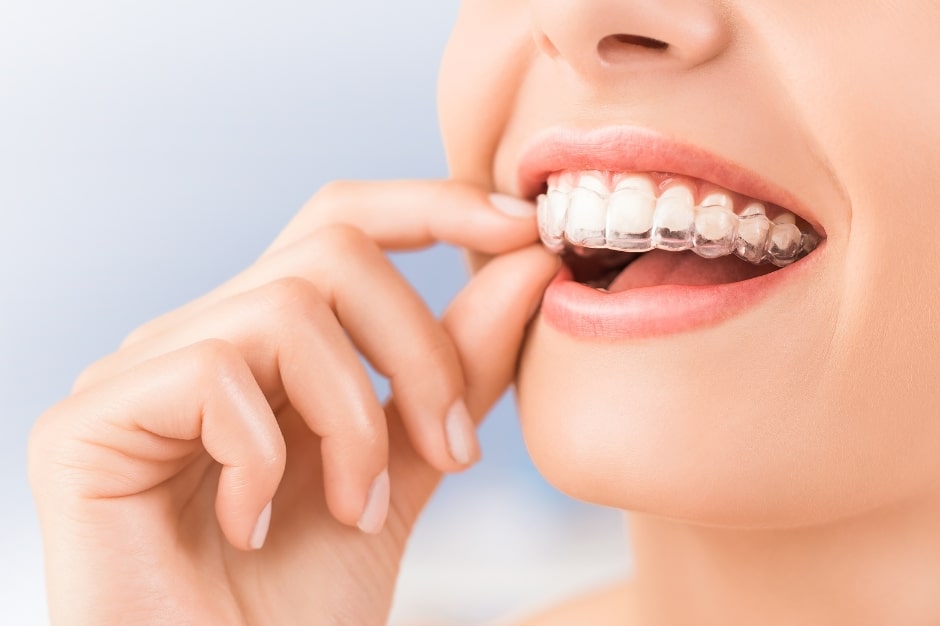
- Invisalign: A modern orthodontic treatment that uses a series of clear, removable aligners to gradually move teeth into their desired position. These aligners are custom-made using 3D imaging technology and are virtually invisible.
- Traditional Braces: A conventional treatment that uses metal brackets and wires to straighten teeth. Braces are fixed to the teeth and adjusted periodically by an orthodontist to achieve the desired alignment.
Comparison: Invisalign vs. Traditional Braces
| Aspect | Invisalign | Traditional Braces |
| Appearance | Clear and nearly invisible. | Visible metal brackets and wires. |
| Comfort | Smooth plastic aligners; no sharp edges. | May cause discomfort due to wires and brackets. |
| Removability | Removable for eating, brushing, and flossing. | Fixed; cannot be removed. |
| Treatment Duration | Typically 12-18 months for mild to moderate cases. | Typically 18-24 months, depending on complexity. |
| Effectiveness | Best for mild to moderate alignment issues. | Effective for all cases, including severe misalignment and bite issues. |
| Maintenance | Requires regular cleaning of aligners and good oral hygiene. | Requires careful cleaning around brackets and wires. |
| Cost | Generally more expensive than traditional braces. | Usually more affordable than Invisalign. |
| Dietary Restrictions | No restrictions; aligners can be removed while eating. | Avoid hard, sticky, or crunchy foods that can damage braces. |
| Follow-Up Visits | Fewer visits to the orthodontist. | Regular visits for adjustments. |
Pros and Cons of Invisalign
Pros:
- Aesthetic Appeal: The clear aligners are virtually invisible, making them a discreet option.
- Comfort: Smooth plastic aligners are less likely to irritate your gums and cheeks.
- Convenience: Aligners can be removed for eating, brushing, and special occasions.
- Fewer Office Visits: Requires fewer visits to the orthodontist compared to braces.
Cons:
- Limited Effectiveness: Not suitable for severe orthodontic issues.
- Compliance Required: Aligners must be worn 20-22 hours a day for optimal results.
- Cost: Generally more expensive than traditional braces.
Pros and Cons of Traditional Braces
Pros:
- Versatility: Effective for all types of orthodontic issues, including complex cases.
- No Compliance Issues: Since braces are fixed, there’s no need to remember to wear them.
- Cost-Effective: Typically more affordable than Invisalign.
Cons:
- Appearance: Metal brackets and wires are more noticeable.
- Discomfort: Wires and brackets can cause irritation and require adjustments.
- Dietary Restrictions: Certain foods must be avoided to prevent damage.
- Maintenance: Requires thorough cleaning around brackets and wires.
Which Treatment is Right for You?
- Choose Invisalign if:
- You have mild to moderate alignment issues.
- You prefer a discreet and removable option.
- You want fewer office visits and more flexibility.
- Choose Traditional Braces if:
- You have severe misalignment or bite issues.
- You want a cost-effective solution.
- You don’t mind the appearance of metal braces.
At Medspa Clinic, we offer both Invisalign and traditional braces to help you achieve the smile of your dreams. Contact us today to schedule a consultation and find out which orthodontic treatment is right for you!