
Introduction
When it comes to restoring a beautiful and functional smile, dental implants have revolutionized the field of dentistry. For individuals missing teeth or facing tooth extraction, dental implants offer a reliable and long-lasting solution. However, within the realm of dental implants, there exists a distinction known as “immediate implants.” In this blog post, we will delve into the differences between traditional dental implants and immediate implants, shedding light on their unique characteristics, benefits, and considerations.
Understanding Dental Implants
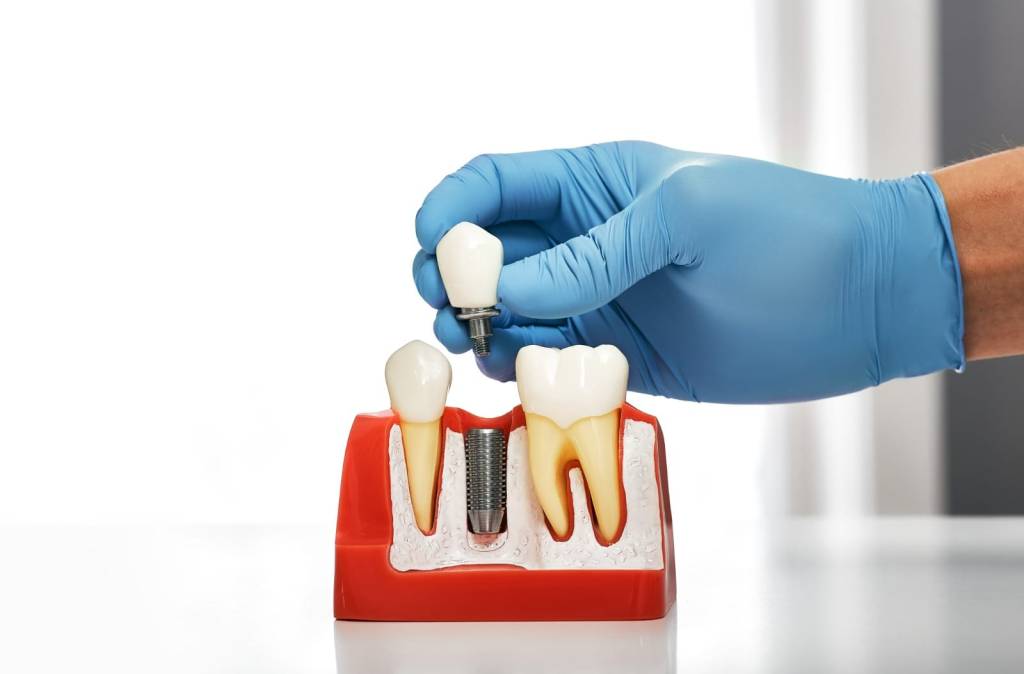
Dental implants are prosthetic tooth roots made of biocompatible materials such as titanium. They are surgically placed into the jawbone to serve as a sturdy foundation for replacement teeth. The process involves several stages: implant placement, osseointegration (the fusion of the implant with the bone), and the attachment of a crown, bridge, or denture atop the implant.
Immediate Implants: What Sets Them Apart?
Immediate implants, as the name suggests, involve the placement of an implant right after tooth extraction in a single procedure. This eliminates the waiting period typically required for the extraction site to heal before implant placement. Immediate implants offer some distinct advantages:
Time Efficiency: One of the most significant advantages of immediate implants is that the patient can leave the dental office with a new tooth in place on the same day as the extraction. This contrasts with traditional implants, where multiple visits and several months may be needed to complete the process.
Preservation of Bone and Gum Tissue: Immediate implants can help preserve the natural contours of the jawbone and gum tissue, as the implant helps to maintain the structural integrity of the area previously occupied by the natural tooth.
Aesthetics and Confidence: Immediate implants provide patients with the immediate satisfaction of having a functional and aesthetically pleasing tooth in place, preventing the temporary aesthetic gap that often accompanies tooth extraction.
Factors to Consider
While immediate implants offer numerous benefits, they may not be suitable for every patient or situation. Here are some factors to consider:
- Suitability: Not all patients are ideal candidates for immediate implants. Factors such as the quality of the bone, the presence of infection, and the patient’s overall health must be evaluated.
- Complexity: Immediate implants are generally more suitable for cases where the tooth extraction is straightforward. Complex cases, such as those involving multiple extractions or compromised bone quality, might necessitate a delayed implant placement.
- Aesthetic Zone: Immediate implants are often preferred in the front teeth (aesthetic zone) to avoid an unsightly gap. However, the success of immediate implants in this area depends on factors like soft tissue support and implant stability.
Conclusion
Both traditional dental implants and immediate implants offer remarkable solutions for individuals seeking to restore their smiles and oral function. The choice between the two depends on individual circumstances, including oral health, bone quality, and aesthetic preferences. Consulting with a skilled and experienced dentist or oral surgeon is crucial to determine the most suitable approach. Whether you opt for traditional dental implants or explore the innovative option of immediate implants, the goal remains the same: achieving a confident, functional, and beautiful smile.