
Dental crowns are one of the most versatile and commonly used treatments in dentistry. Whether you have a damaged, decayed, or discolored tooth, a dental crown can restore its function, strength, and appearance. But what exactly are dental crowns, and when might you need one? In this blog, we’ll explore the purpose, types, and process of getting dental crowns, so you can make an informed decision about your oral health.
What Are Dental Crowns?
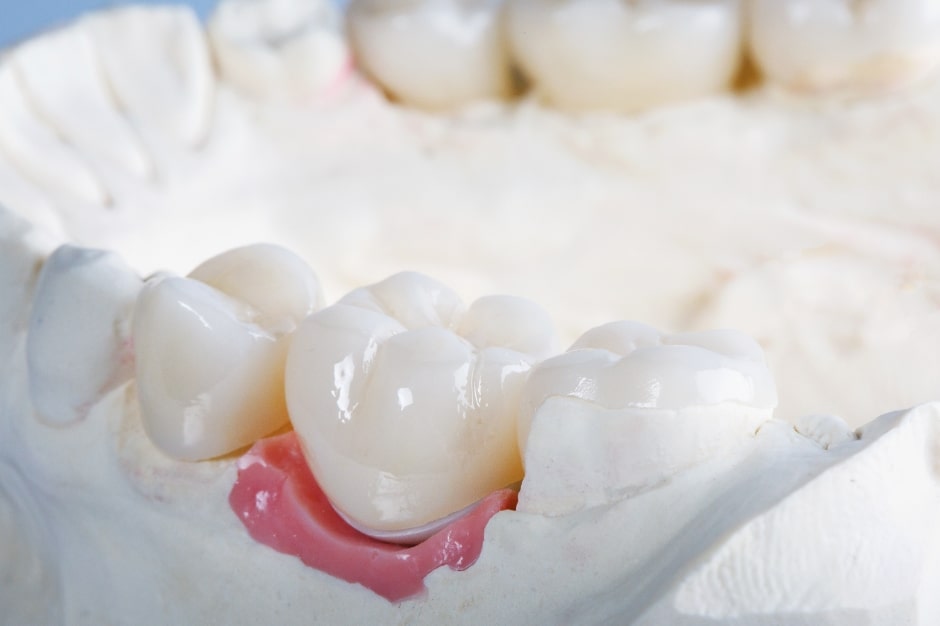
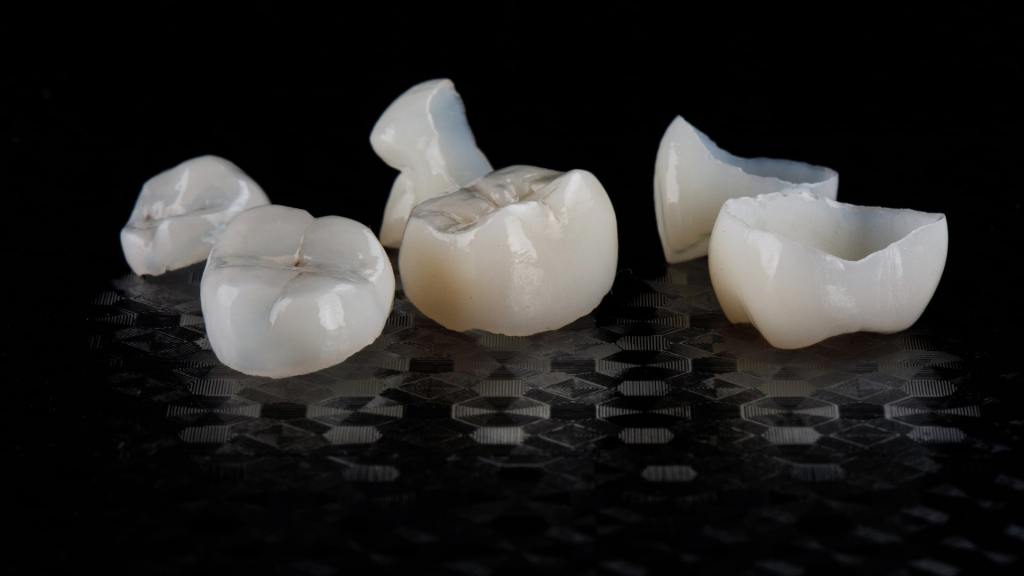
A dental crown is a tooth-shaped cap that is placed over a damaged or weakened tooth to restore its shape, size, strength, and appearance. Crowns are custom-made to match the color and shape of your natural teeth, ensuring a seamless and natural look. They are often used to protect a tooth after procedures like root canals or to replace large fillings.
When Do You Need a Dental Crown?
You might need a crown treatment in the following situations:
- To Protect a Weak Tooth: Crowns are used to prevent a cracked or damaged tooth from breaking further.
- To Restore a Broken Tooth: If a tooth is severely worn down or broken, a crown can restore its function and appearance.
- After a Root Canal: Crowns are often placed over a tooth that has undergone a root canal to protect it.
- To Cover a Dental Implant: Crowns are used to replace missing teeth by attaching them to dental implants.
- To Improve Aesthetics: Crowns can cover discolored or misshapen teeth, enhancing your smile.
Types of Dental Crowns
There are several types of dental crowns, each with its own advantages and disadvantages:
- Porcelain Crowns: These crowns are popular for their natural appearance and are often used for front teeth.
- Metal Crowns: Made from gold or other alloys, metal crowns are durable and ideal for back teeth.
- Porcelain-Fused-to-Metal (PFM) Crowns: These combine the strength of metal with the aesthetics of porcelain.
- Zirconia Crowns: Known for their strength and natural look, zirconia crowns are a popular choice.
- Composite Resin Crowns: These are less expensive but may not last as long as other types.
The Process of Getting a Dental Crown
Getting a dental crown typically requires two visits to the dentist:
- First Visit: Preparation and Impressions
- The dentist examines the tooth and prepares it by removing any decay and shaping it to fit the crown.
- Impressions of the tooth are taken to create a custom crown.
- A temporary crown is placed to protect the tooth while the permanent crown is being made.
- Second Visit: Placement of the Crown
- The temporary crown is removed, and the permanent crown is checked for fit and color.
- Once approved, the crown is cemented into place.
Benefits of Dental Crowns
- Restores Functionality: Crowns allow you to chew and speak normally.
- Improves Appearance: Crowns can enhance the look of your smile.
- Protects Damaged Teeth: Crowns prevent further damage to weakened teeth.
- Long-Lasting: With proper care, crowns can last 10-15 years or more.
Caring for Your Dental Crown
To ensure the longevity of your crown:
- Brush and floss regularly.
- Avoid chewing hard foods or objects.
- Visit your dentist for regular checkups.
At Medspa Clinic, we specialize in crown treatment and other restorative dental procedures. Contact us today to schedule a consultation and learn how dental crowns can restore your smile!