

Sinus lifting, also known as sinus augmentation, is a specialized dental procedure designed to increase the amount of bone in the upper jaw, particularly in the area of the molars and premolars. This procedure is often necessary for patients who lack sufficient bone density in the upper jaw to support dental implants. In this blog, we’ll explore what sinus lifting is, why it’s needed, the anatomy involved, the types of sinus lifts, the procedure itself, and recovery tips.
What is Sinus Lifting?
Sinus lifting is a surgical procedure that involves adding bone to the upper jaw in the area of the molars and premolars. This is done by lifting the sinus membrane, which is located above the upper jaw, and placing a bone graft beneath it. The bone graft can be sourced from the patient’s own body, a donor, or synthetic materials. Over time, the graft integrates with the existing bone, creating a solid foundation for dental implants.
Why is Sinus Lifting Needed for Dental Implants?
Dental implants require a sufficient amount of bone to anchor securely. However, the upper jaw, especially the area near the molars, often lacks adequate bone due to:
- Bone Resorption: After tooth loss, the jawbone can shrink over time.
- Anatomical Limitations: The maxillary sinuses are located close to the upper jaw, leaving little room for bone.
- Periodontal Disease: Gum disease can lead to bone loss in the jaw.
Without enough bone, dental implants cannot be placed safely or effectively. Sinus lifting addresses this issue by creating the necessary bone volume.
Anatomy of the Maxillary Sinus and Bone Loss in the Upper Jaw
The maxillary sinuses are air-filled cavities located above the upper jaw, near the roots of the molars and premolars. When teeth are lost, the bone in this area begins to resorb (shrink), and the sinuses may expand, further reducing the available bone. This makes it challenging to place dental implants without first augmenting the bone through a sinus lift.
Types of Sinus Lifting: Open Sinus Lift vs. Closed Sinus Lift
There are two main types of sinus lifting procedures:
- Open Sinus Lift (Lateral Window Technique):
- A small incision is made in the gum tissue to expose the bone.
- A window is created in the bone to access the sinus membrane.
- The membrane is gently lifted, and bone graft material is placed beneath it.
- This technique is used when a significant amount of bone is needed.
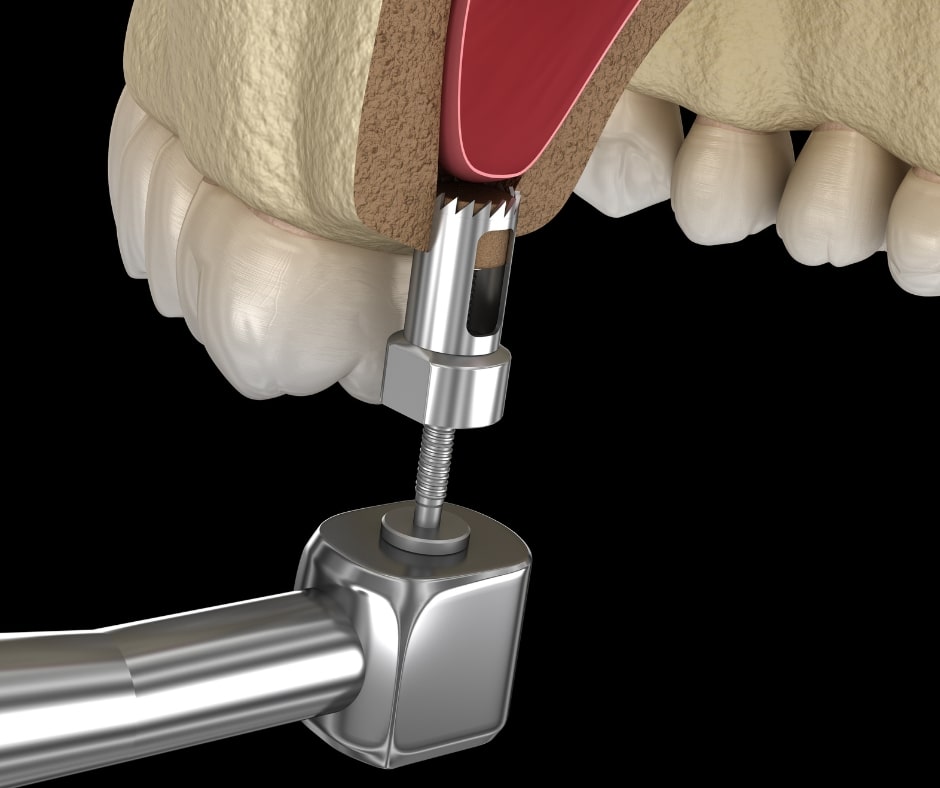
- Closed Sinus Lift (Osteotome Technique):
- A small hole is drilled into the jawbone from the site where the implant will be placed.
- The sinus membrane is lifted through this hole, and bone graft material is inserted.
- This technique is less invasive and is used when only a small amount of bone is needed.
The Sinus Lifting Procedure: Step-by-Step Process
The sinus lifting procedure typically involves the following steps:
- Consultation and Planning:
- Your dentist or oral surgeon will evaluate your jawbone and sinuses using X-rays or 3D scans.
- A customized treatment plan is created based on your needs.
- Anesthesia:
- Local anesthesia or sedation is administered to ensure your comfort during the procedure.
- Incision and Access:
- For an open sinus lift, an incision is made in the gum tissue to expose the bone.
- For a closed sinus lift, a small hole is drilled directly into the bone.
- Lifting the Sinus Membrane:
- The sinus membrane is carefully lifted to create space for the bone graft.
- Bone Graft Placement:
- Bone graft material is placed in the space created beneath the sinus membrane.
- Closure:
- The incision is closed with sutures, and the healing process begins.
Recovery and Aftercare Tips
Recovery from a sinus lift typically takes several months, as the bone graft needs time to integrate with the existing bone. Here are some tips for a smooth recovery:
- Avoid Blowing Your Nose: This can disrupt the healing process and damage the sinus membrane.
- Take Prescribed Medications: Antibiotics and pain relievers may be prescribed to prevent infection and manage discomfort.
- Follow a Soft Diet: Stick to soft foods for the first few weeks to avoid putting pressure on the surgical site.
- Avoid Smoking: Smoking can delay healing and increase the risk of complications.
- Attend Follow-Up Appointments: Regular check-ups with your dentist or oral surgeon are essential to monitor healing.
Conclusion
Sinus lifting is a highly effective procedure for patients who lack sufficient bone in the upper jaw to support dental implants. By understanding the purpose, process, and recovery involved, you can make an informed decision about whether this procedure is right for you. If you’re considering dental implants but have been told you don’t have enough bone, consult with an experienced oral surgeon to explore your options.